
Solidarity Sunday: What's Your Local's 'Culture Code'?
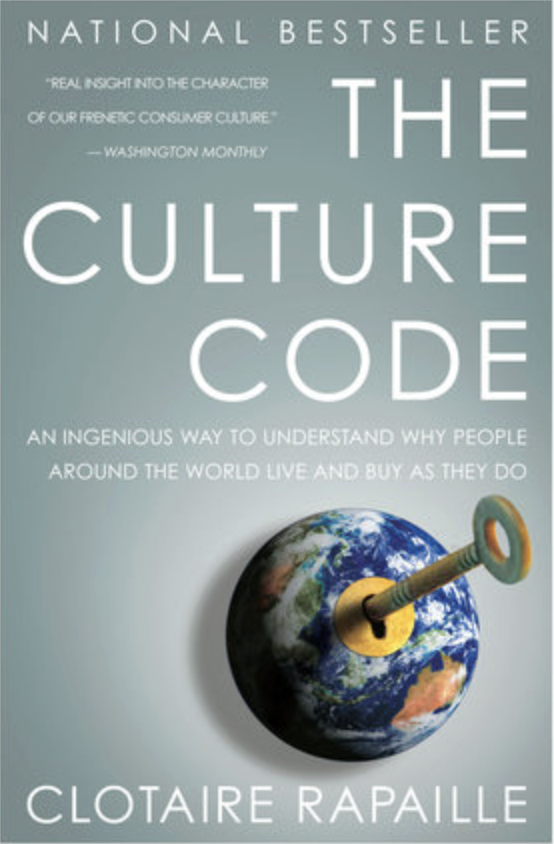
On recommendation from a marketing pro whom I respect, I recently finished The Culture Code by Clotaire Rapaille. It's a book that offers some powerful insights for which the building trades unions can benefit.
People make decisions based on deeply embedded emotional meanings formed early in life. Rapaille calls these meanings "culture codes." A culture code is the unconscious story that a group of people associate with a concept like work, success, authority, freedom, or security.
What does that have to do with recruiting and organizing, you ask?
If we want to recruit and retain Gen Z into the trades, we must first understand this simple truth:
Gen Z hears our words differently than we may intend them or have used them in the past.
It's not that our message is wrong. It's that we're often speaking in a language shaped by our culture code, not theirs.
What Is a Culture Code?
A culture code is not a slogan or marketing trick. It's the emotional shorthand people use to decide whether something feels right or wrong, safe or risky, authentic or fake. For example, previous generations often associated work with duty, loyalty, and paying your dues. Many union messages were built around those ideas, and they worked.
I hear older members lament that our new younger members don't have the same work ethic, are more sensitive, more distracted, etc. I'm guilty of it myself sometimes, and I have 3 boys aged 19, 23, 26. Where we as GenX'ers might think "respect your elders", what a GenZ'er might think is "I know you have experience, and I know I don't. No need to flex. Let's just respect each other for where we both are and learn to work with one another. You teach me your trade and I'll share new ideas with you. We can both benefit".
GenZ has a different emotional relationship with work. I see it in my own children as they enter the working world in earnest. Their culture code leans more toward identity, autonomy, mental health, fairness, and meaning. They aren't anti-work. They are just deeply skeptical of systems that feel exploitative, opaque, or disconnected from real purpose. A GenZ'r might call it being "based" (meaning rejecting performative corporate culture and "hustle" narratives in favor of transparency and real tangible value).
This doesn't mean we abandon who we are. What we do is hard work, and that requires a certain work ethic and responsibility to be successful. There's no escaping that. But it does means we may need to translate who we are and why we are important more effectively than we have in the past.
Why This Matters for Local Unions
The good news is that building trades unions already offer many of the things Gen Z is looking for: real skills, real wages, real purpose, and real community. But too often, our communication focuses on what we value instead of what they feel.
For example:
When we say: "Earn while you learn."
They hear: "I'm committing years of my life without knowing if I'll be respected."
When we say: "Strong benefits and pensions."
They hear: "That's nice, but will I burn out before or be disposable?"
When we say: "Brotherhood and Sisterhood."
They hear: "Will I belong here, or be tested until I break?"
The opportunity isn't to soften the truth. It's to tell the truth more clearly, using language that connects with Gen Z's lived experience.
Applying the Culture Code to Your Communication
Culture Code is a profound concept...something that Union Up intends to lean into more in our campaigns for the local unions we serve. Here are a few practical ways that we are changing the way our local unions incorporate a culture code approach into recruitment, web copy, videos, outreach, etc.:
- Lead with identity, not institution
Instead of starting with the union as an organization, start with the individual. Gen Z responds to messages like: "This is a place where you build something real and become someone real in the process." - Show our work, don't romanticize it
Authenticity is non-negotiable. Videos and photos should show real jobsites, real apprentices, real conditions, along with honest explanations of the challenges. Trust is built when we don't oversell. - Emphasize agency and growth
Gen Z wants to know they are gaining control over their future. Language like "skills that go with you anywhere," or "a career you can build on your terms," or "training that makes you valuable for life" speaks directly to that need. My personal favorite is "Stand on your own without standing alone." - Frame solidarity as protection and fairness
For Gen Z, solidarity isn't nostalgia, it's justice. Explain unions as systems that prevent exploitation, enforce fairness, and give workers a voice. That code resonates deeply. - Speak plainly. Cut the jargon
Avoid insider language. Clear, direct communication signals respect and transparency, two values to which Gen Z is highly attuned.
Using a culture code approach is not about changing our values. It's about communicating them in a way that lands. The trades don't need to reinvent themselves to attract Gen Z. We need to articulate who we are in language that aligns with how this generation feels, decides, and trusts. If we do that honestly, consistently, and courageously, we won't just recruit Gen Z. We'll earn their trust and membership for a career.