Solidarity Sunday: The Other Energy Story
It's almost impossible to escape the conversation about data centers.
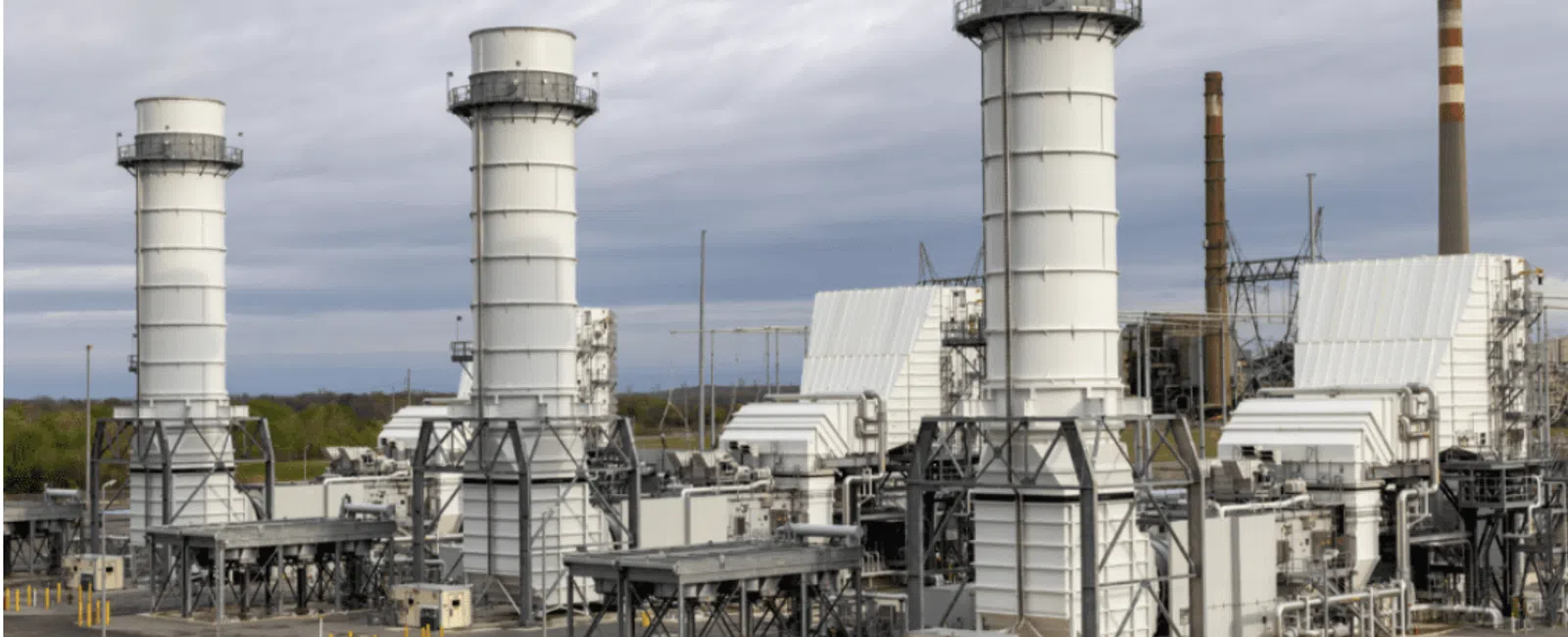
Every week seems to bring another announcement of a billion dollar investment, another AI campus, another manufacturer searching for massive amounts of electricity. America isn't simply experiencing an energy boom. We're entering one of the largest power buildouts in generations as utilities race to build enough generation and transmission to fuel artificial intelligence, advanced manufacturing, and the economy of tomorrow. For the building trades, more power plants, substations, and transmission lines mean more opportunities for our members.
But as we focus on building the infrastructure, we also need to ask who will own it, who will pay for it, and ultimately who will benefit from it.
While everyone's focused on where the next data center will be built, we can't afford to lose sight of another story unfolding in the seven states served by the Tennessee Valley Authority.
Who owns the power may ultimately be just as important as who consumes it.
Over the past several weeks, we've examined the growing conversation surrounding the future of the Tennessee Valley Authority and what privatization could mean for organized labor. To better understand what's truly at stake, I recently sat down with Michelle Moore, President and CEO of Groundswell and a former member of the TVA Board of Directors.
What struck me most wasn't that she talked about politics. She talked about economics.
"Public power is owned by the people, for the people," Moore told me. "Public utilities don't have to charge higher rates to generate profits for outside investors."
That simple observation gets to the heart of the issue.
Being in favor of keeping TVA in public hands isn't an argument against private utilities. I'm well aware that thousands of our members make their living building and maintaining facilities owned by investor owned utilities across America. Those companies are important partners, and the work they provide supports thousands of union families.
But TVA was created to serve a different purpose.
Its mission has never been simply to produce electricity. It was established to provide affordable power, promote economic development, improve quality of life, and build prosperity across the Tennessee Valley, issues that directly affect working families. That mission has helped attract manufacturers, automotive plants, chemical facilities, and now data centers.
Affordable electricity doesn't just help families keep more of their paycheck. It also helps communities compete. Companies deciding where to build billion dollar facilities look closely at long term energy costs, and when those investments come, construction work follows.
Those investments have translated into decades of work for electricians, pipefitters, operators, laborers, ironworkers, plumbers, and every other construction trade.
In other words, affordable public power has been one of the engines driving union construction throughout the Valley.
Moore believes that's exactly why labor needs to stay engaged.
"History shows that Washington tries to privatize TVA every 15 to 20 years," she said. "Protecting public power and the jobs that come with it takes vigilance."
Vigilance is an interesting word.
Major institutions rarely change overnight. They change one board appointment at a time. One leadership transition at a time. One policy decision at a time. Long before most people realize the direction has changed, the course has already been set.
Whether TVA ultimately remains publicly owned or not will likely be determined over years, not weeks. That's precisely why now is the time for local labor leaders to pay attention.
Moore also reminded me that influence doesn't begin in Washington.
It begins at home.
She has been the Congressional intern answering the phones, and she has been the public official making decisions. Her conclusion was unequivocal.
"Every phone call, every meeting, every email makes a difference. When the people notice, politicians pay attention."
There was one piece of advice she emphasized above all else in our conversation.
Don't borrow someone else's talking points. Tell your own story.
Talk about the apprentice getting his first opportunity on a TVA project. Talk about the contractor who employs local craftsmen. Talk about the economic impact those jobs have on your community. Those are the conversations elected officials remember because they're authentic.
As business managers, we're accustomed to advocating for our members across the bargaining table. This is another kind of advocacy.
Get to know your mayor. Build relationships with your county commissioners. Introduce yourself to your state legislators before you need something from them. Stay in touch with your members of Congress. Make sure they understand what public power has meant to your local economy and to the working families you represent.
America's demand for electricity is growing faster than it has in decades. That should be welcome news for every construction trade union. But as we celebrate the opportunities that growth will create, we also have a responsibility to protect the economic model that has helped create those opportunities in the first place.
The headlines may be dominated by artificial intelligence and data centers today.
Those projects will shape the next generation of construction work. The decisions being made today about who owns the infrastructure powering them may shape who benefits from that work for the next fifty years.
The future of the Tennessee Valley Authority may prove to be one of the most consequential labor stories of the decade.
Let's make sure organized labor is part of that conversation before someone else decides how it ends.