

Solidarity Sunday: Leaders and the Stories We Tell
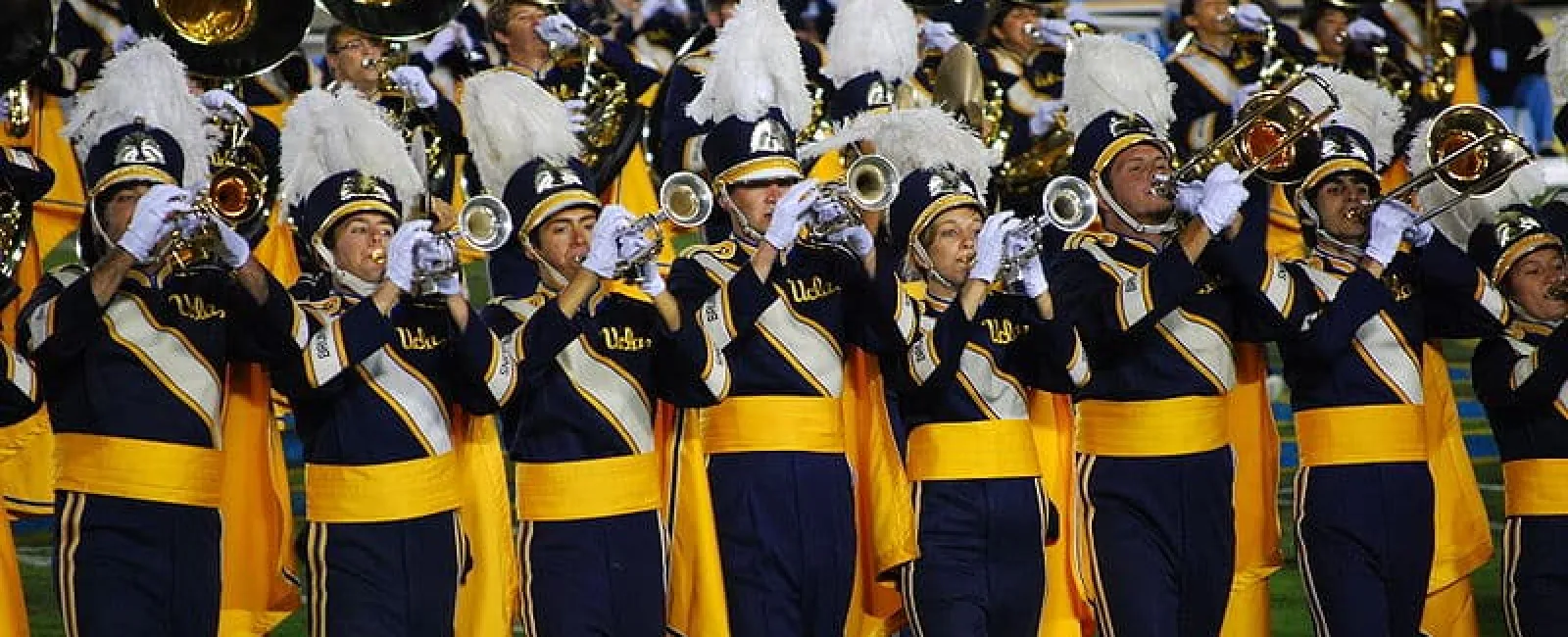
One of my proudest moments as a parent came when my son and his high school marching band won a statewide competition at Reinhardt College in North Georgia. With so many strong band programs in attendance, they weren't expected to place, let alone win.
What they did have was a young, enthusiastic band director with an infectious belief in her students. She pushed them beyond what they thought they were capable of, and they rose to meet it. Predictably, she was soon hired away by a larger school for a substantial raise.
A year later, under new leadership, my son called me frustrated.
"Our equipment is outdated."
"The practice space is dingy."
"We need new lights, better technology, more support."
None of that had stopped them from winning the year before. The drills were familiar. The work was the same. The difference was that the new director openly complained about what the program lacked, often in earshot of the students. Before long, those complaints became explanations. Explanations became beliefs. And beliefs became excuses.
Argue for your limitations, and they will be granted to you.
Leadership matters.
In our local unions, there's no shortage of things about which members (and even staff) complain. The contract doesn't have this or that. The political environment isn't in our favor. The computers are slow. The foreman's a jerk. blah blah blah. All of that may be "true" in the eyes of the beholder, but is it helpful?
Complainers focus on what they don't have. Leaders focus on what they do have.
Complainers focus on what is required. Leaders focus on what is possible.
Complainers assign blame. Leaders assume responsibility.
Complainers see obstacles.
Leaders see work-arounds.
This isn't new wisdom. We all know it. The harder question is whether it shows up in how we lead. In the words we choose. The tone we use. The body language we bring into a room.
And it's not enough to ignore the chronic complainer, or complain about them behind closed doors, that's just more of the same. Leaders help their people discover, often on their own, how they may be contributing to the very problems they're frustrated by.
One of the best ways to do that is simply by asking questions that might lead an employee, a member, a contractor, etc., to draw their own conclusions.
"What part of this can we control right now?"
"If someone heard us talking like this, what would they assume about our chances?"
"How do you think that lands on the members when they hear it?"
My late father had a way of summing this up:
"There's a way to tell someone to go to hell and have them look forward to the ride."
Parting thought:
Every group, whether a marching band or a local union, becomes the story its leaders tell most often.
So the question for all of us is simple:
Are we leading people toward possibility…or rehearsing the reasons it can't be done?
Solidarity isn't built on perfect conditions. It's built by leaders who believe their people are capable of more and act like it.